FDI inflows into Vietnam: Unlocking opportunities for the warehouse for lease market
January 15, 2026 04:35 AM
As the world economy is reshaping after the pandemic and geopolitical shifts, Vietnam has emerged as a strategic investment destination thanks to its geographic advantages, competitive costs, and government support policies. Foreign direct investment (FDI) inflows have grown rapidly in recent years—especially in 2025—sending positive ripples across numerous sectors. Thanks to FDI, industrial facilities and […]
As the world economy is reshaping after the pandemic and geopolitical shifts, Vietnam has emerged as a strategic investment destination thanks to its geographic advantages, competitive costs, and government support policies.
Foreign direct investment (FDI) inflows have grown rapidly in recent years—especially in 2025—sending positive ripples across numerous sectors. Thanks to FDI, industrial facilities and warehouses for lease are strongly boosted, which serve as the backbone for manufacturing, logistics, and commerce.
1. Vietnam’s FDI attraction in 2025
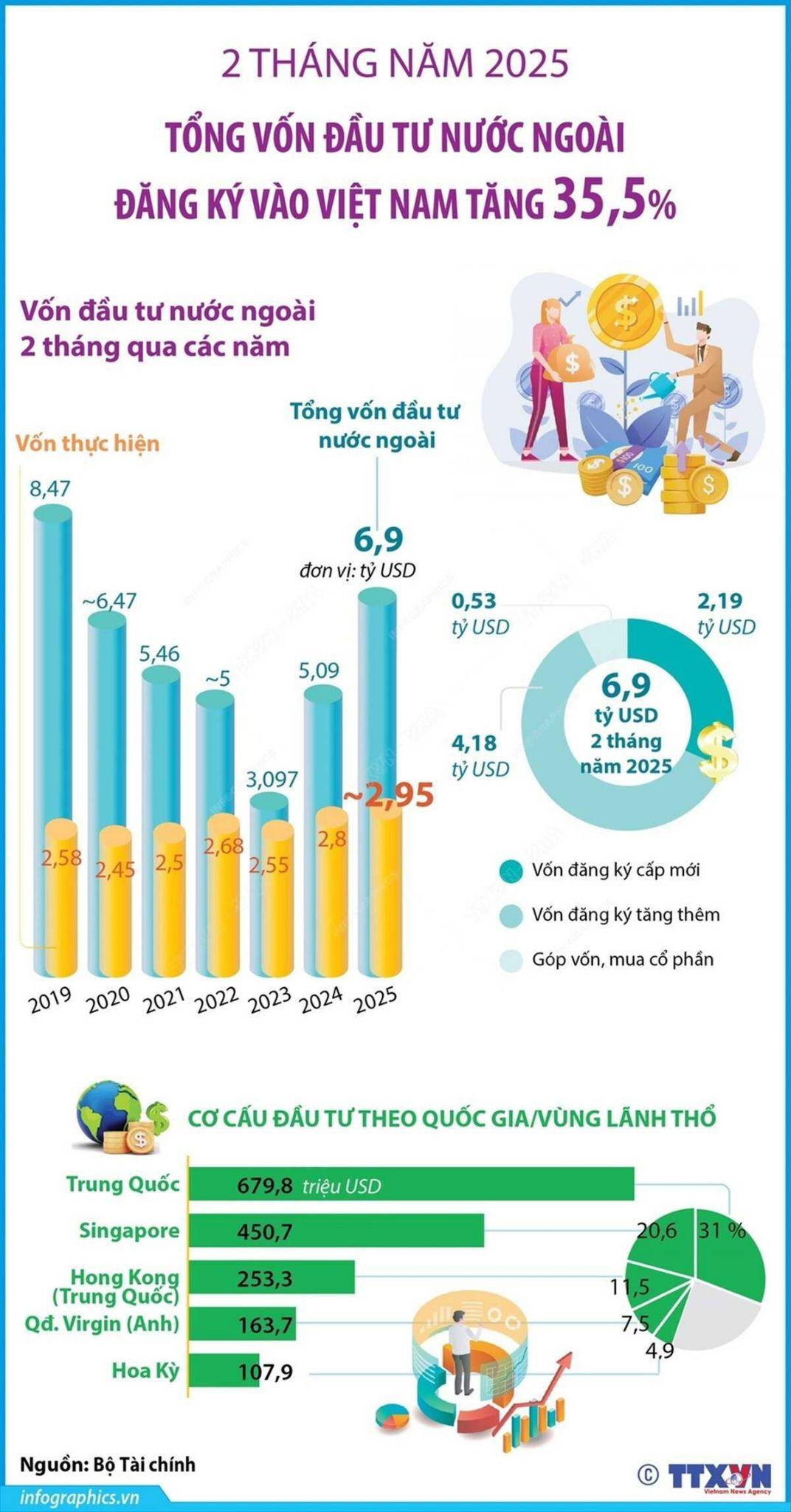
Total FDI into Vietnam increased 35.5% in the first two months of 2025
According to data from the Foreign Investment Agency (Ministry of Finance), Vietnam received USD 6.9 billion in newly registered FDI during the first two months of 2025, up 35.5% year-on-year. This strong performance is especially notable as many regional economies struggle with rising production costs, labor shortages, or political instability.
These figures reflect international investors’ growing confidence in Vietnam’s economic potential and improved investment environment. Administrative reforms, infrastructure investments, and workforce upskilling have all reinforced that trust.
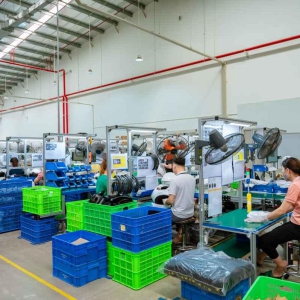
The processing and manufacturing sector remains the “golden destination” for FDI, accounting for 71.3% of total registered capital—over USD 3.09 billion, a near 99.1% surge from the prior year. This sector plays a vital role in industrial development and fuels strong demand for both factories and warehouses.
Vietnam has also attracted major global tech names. Samsung Display committed an additional USD 1.2 billion to expand its factory in Bac Ninh, underscoring Vietnam’s vital role in the global supply chain. Meanwhile, Amkor Technology invested over USD 1 billion in semiconductors, and Foxconn boosted funding by USD 550 million for Quang Ninh projects. Bosch, Jabil Circuit, and NVIDIA likewise expanded manufacturing and AI research investments.
2. Why Vietnam appeals to foreign investors
To understand why Vietnam stands out as an FDI magnet, it is necessary to consider its foundational strengths—from geography and cost advantages to open policies and long-term growth prospects.
2.1. Regional competitive advantages
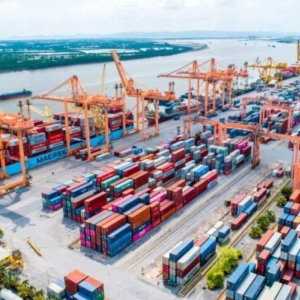
Strategic geography tops the list. Situated at Southeast Asia’s heart and bordering manufacturing powerhouse China, Vietnam also has a 3,200 km coastline with major seaports like Cat Lai, Haiphong, and Cai Mep – Thi Vai, which streamline international freight and cut logistics costs.

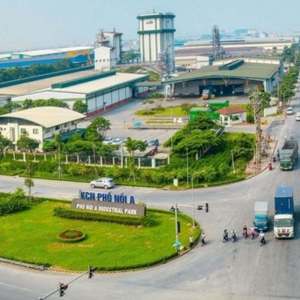
Vietnam has constantly become an attractive destination for foreign investment
Low labor cost yet increasing skills are a competitive advantage of Vietnam. Compared to nations like Thailand, Malaysia or China where production costs are increasing tremendously, Vietnam with an affordable cost has helped companies optimize operational efficiency.
Sustained economic growth strengthens investor confidence. Vietnam’s GDP is forecast to rise 6.5–6.6% in 2025—among the region’s highest—thanks to macro stability, flexible fiscal policy, and clear government development roadmaps.
2.2. Government incentives and support
Vietnam’s government has conducted a number of incentives to attract FDI and foster a competitive business environment. These policies include:
Corporate Income Tax (CIT) Incentives:
- The standard CIT rate is 20%.
- A reduced rate of 15% applies to enterprises with a total annual revenue not exceeding VND 3 billion.
- A reduced rate of 17% applies to enterprises with a total annual revenue of over VND 3 billion up to VND 50 billion.
Import-duty incentives:
Machinery, equipment, and materials imported as fixed assets or for production may be duty-free.
Land-lease incentives:
Investors in economic zones or industrial parks can receive land-lease waivers or reductions for specified periods.
R&D support:
Businesses may establish an R&D fund with up to 10% of annual pre-tax profits, encouraging innovation and tech upgrades.
Startup support:
High-tech startups can access government loans, credit guarantees, tax breaks, and land-lease incentives.
These measures demonstrate Vietnam’s commitment to creating a favorable climate for foreign enterprises while driving sustainable growth and technological advancement.
3. How the warehouse for lease market benefits from the FDI wave
Increasing FDI brings a pressing need for expanded production space and infrastructure, making now a “golden” moment for the warehouse for lease sector, which is professionalizing and modernizing to meet demand.
Rising demand for warehouse for lease
The rapid expansion of processing and manufacturing means foreign investors need a production space meeting the standards, convenient for transportation, and ready to operate. As a result, demand for warehouses for lease has surged—especially Ho Chi Minh City, Binh Duong, Long An in the South and Hanoi, Bac Ninh, Haiphong in the North.
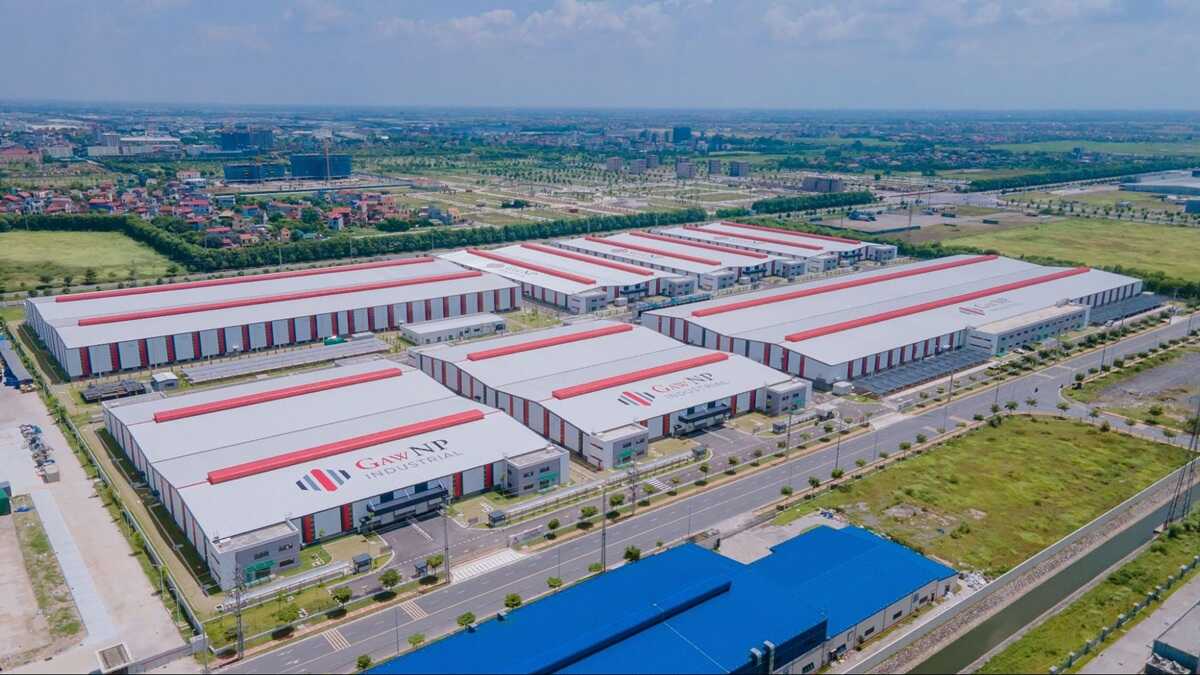
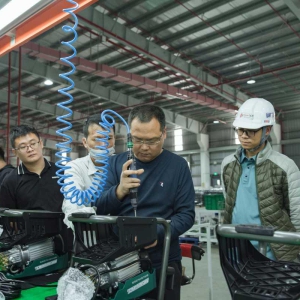
Rising demand of warehouses for lease in Vietnam
Industry analysts project industrial land rents in key zones will climb 3–7% annually between 2025 and 2027, reflecting market competitiveness and dynamism.
Growth of Ready-Built Warehouse Models
To meet the FDI’s quick entry-quick operation needs, the ready-built warehouse model is thriving. These facilities allow companies to:
- Save construction and design time
- Lower initial capital outlays
- Leverage integrated infrastructure and services within industrial parks
Major industrial-real-estate developers in Vietnam now prioritize this segment to meet FDI’s immediacy, maximize land use efficiency, and optimize cash flow.
4. Top providers of warehouse for lease in Vietnam
Selecting a reputable warehouse-for-lease provider is crucial for FDI companies aiming for seamless production activity. Below are two leading offerings in Northern Vietnam:
4.1. GNP Dong Van 3 – Warehouse for lease in Ha Nam
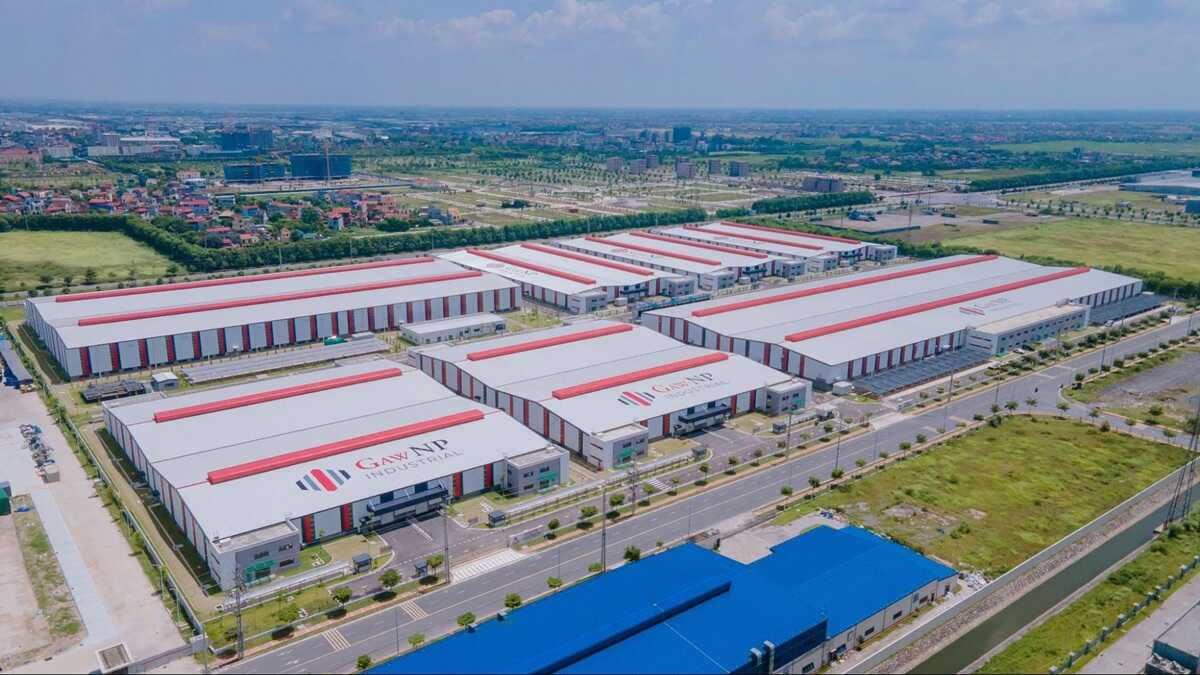
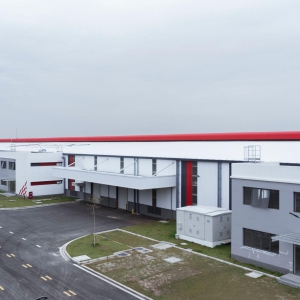
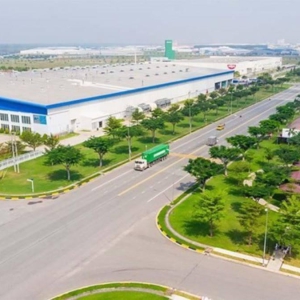
GNP Dong Van 3 situated in Dong Van 3 Industrial Park, Ha Nam Province
Located in Dong Van 3 Industrial Park, Ha Nam Province—just a 60-minute drive from Hanoi—GNP Dong Van 3 is a premier choice for Northern businesses. Key features include:
- International-standard warehouses
- Comprehensive infrastructure
- 24/7 security and professional operations support
Ideal for electronics, food processing, logistics, and light industry sectors.
4.2. GNP Nam Dinh Vu – Warehouse for lease in Haiphong
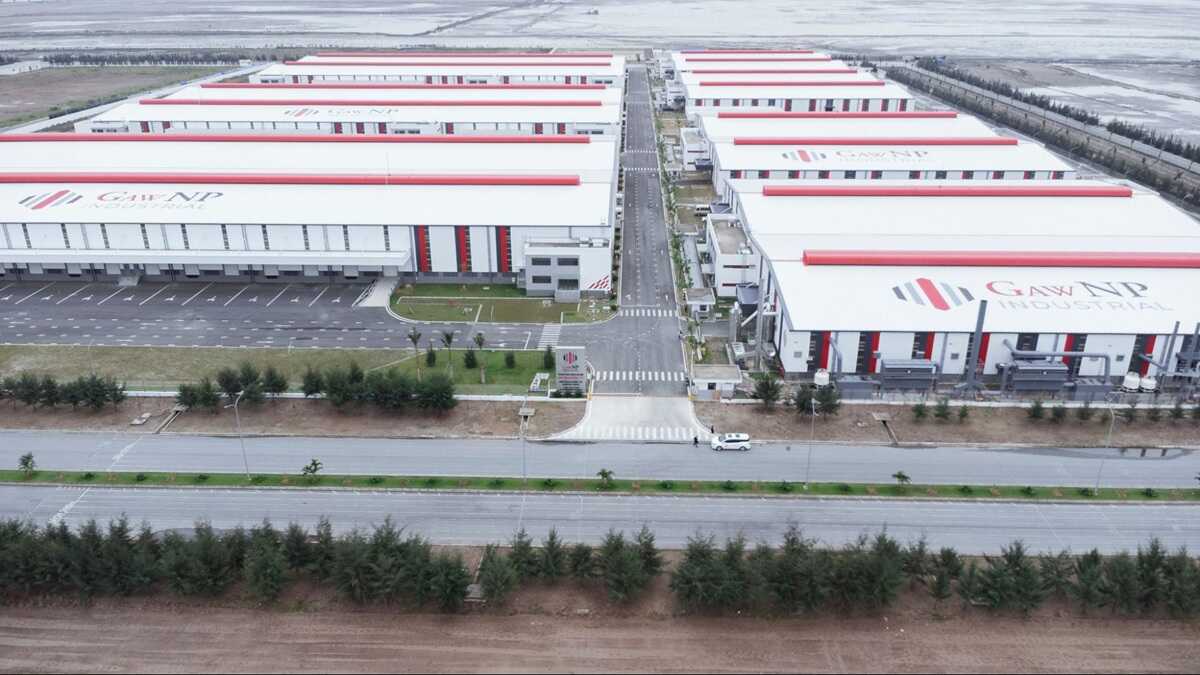
GNP Nam Dinh Vu – Hai Phong leverages port proximity and international connections
Situated in the Dinh Vu–Cat Hai Economic Zone, Haiphong, GNP Nam Dinh Vu leverages port proximity and international connections. It’s especially suited to exporters thanks to:
- Close access to Dinh Vu and Lach Huyen ports
- Flexible ready-built warehouse spaces from 1,000 m² upward
- Fully compliant wastewater treatment and NFPA-standard fire protection
This project is perfect for logistics firms, e-commerce operators, and export-oriented manufacturers.
Conclusion
The surge of FDI into Vietnam not only boosts national economic growth but also unlocks vast opportunities for supporting industries like industrial real estate. The warehouse for lease sector is uniquely positioned to capitalize on this wave, backed by robust demand, evolving market trends, and government incentives. With the right infrastructure, policy framework, and strategic vision, it is possible for Vietnam to become a leading production and logistics center in the region over the coming decade.
Warehouse for lease in Vietnam | Warehouse for rent in Vietnam | Factory for lease in Vietnam | Factory for rent in Vietnam